A field reference for fungi
What mushroom is that?
Photograph a mushroom and get a name, then read up on it here — cap and gill structure, spore print colour, what it grows on, when it fruits, and the look-alikes that trip people up.
Searches reference entries and recent community finds together.

Cap & fruiting body
Shape, surface texture, colour, and how it changes as the fungus matures.
Gills, pores or teeth
How the spore-bearing surface attaches, and the spore print colour it leaves.
Substrate & habitat
The wood, soil or tree partners a species is tied to, and where it occurs.
Season & look-alikes
When it fruits, plus the similar species and the features that separate them.
Browse by fruiting body
Fungi don’t all wear caps
Gills are only one way a fungus releases spores. Sorting a find into the right group — pores, teeth, a jelly, a cup, a closed ball — narrows the field faster than colour ever will.
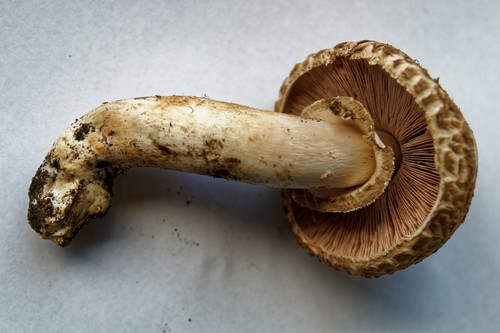
Caps with radiating blades beneath
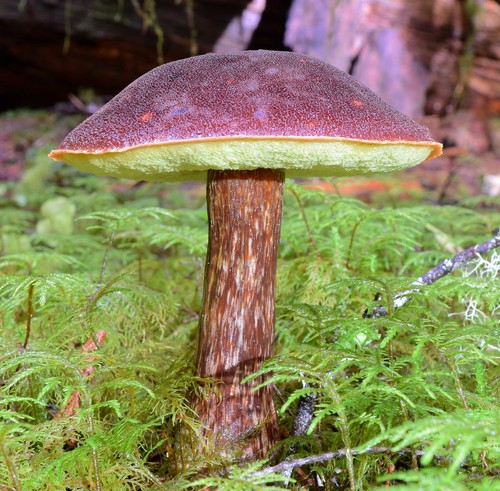
Fleshy caps with a sponge of pores
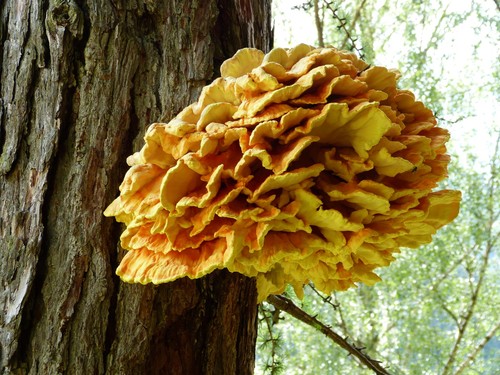
Brackets and shelves on wood
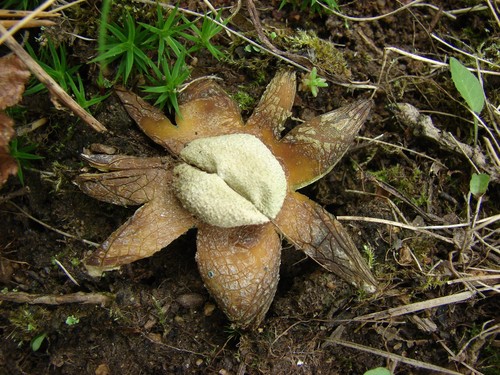
Closed balls that release spore dust
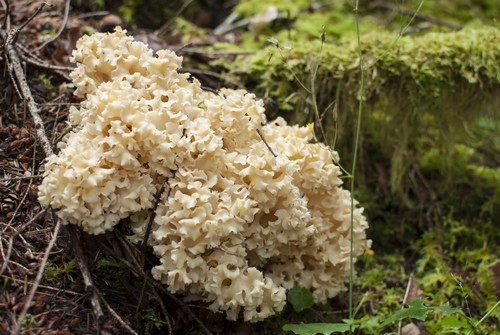
Branched or club-shaped fruit bodies
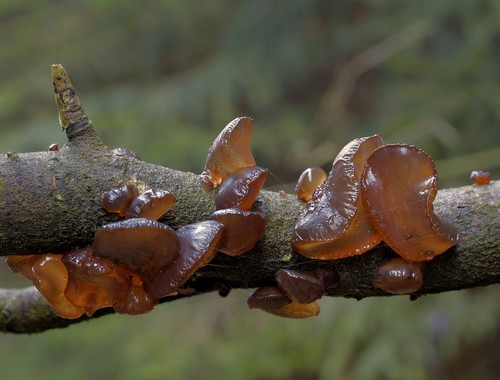
Gelatinous, rubbery, weather-dependent
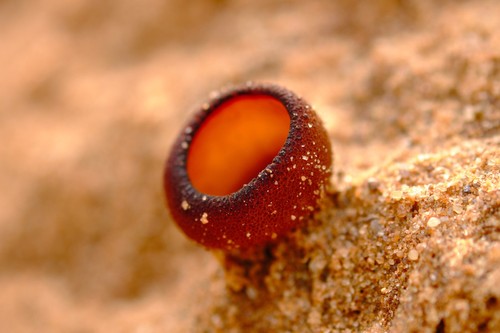
Ascomycetes shaped like cups or saucers
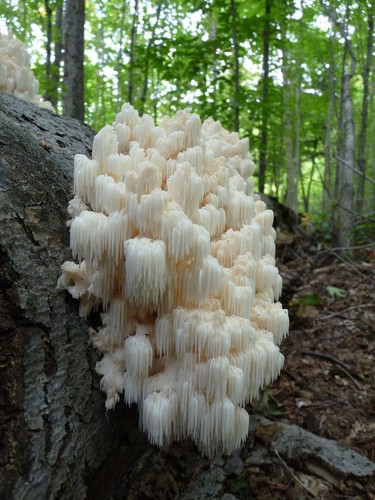
Hanging spines instead of gills or pores
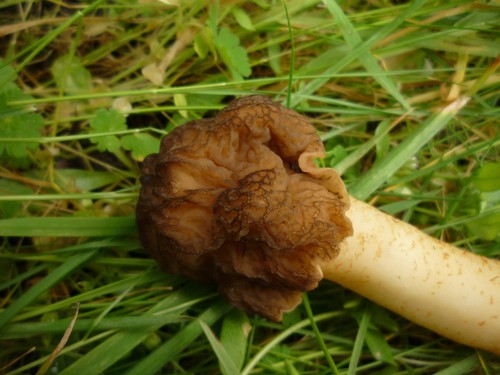
Pitted or saddle-shaped heads
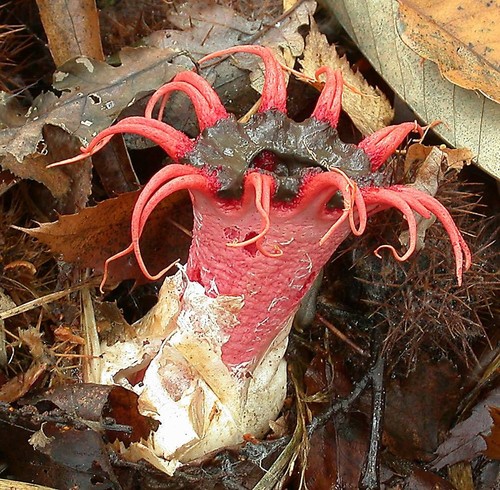
Fast-growing, slime-covered, fly-dispersed
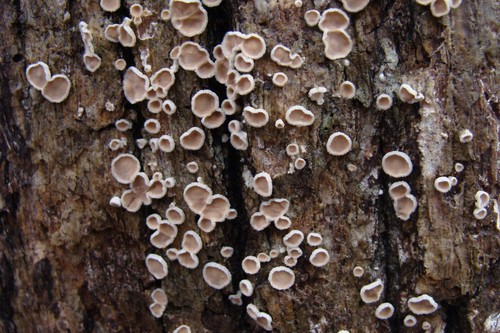
Flat, paint-like growths on bark and wood
Rusts, moulds and unusual forms
From the encyclopedia
Specimen plates
Every photo here is a real, free-licensed image from Wikimedia Commons, credited to the photographer who took it.
Admirable Bolete
Spore print: Olive-brown
Agaricus bohusii
Spore print: Dark brown
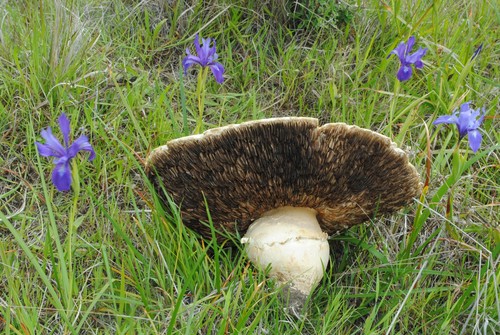
Agaricus crocodilinus
Spore print: Dark brown
Agarikon
Spore print: White
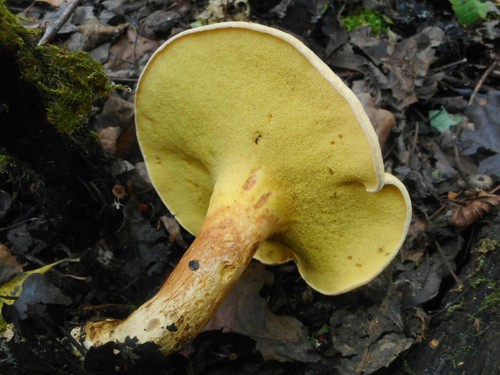
Alder Bolete
Spore print: Olive to yellowish-brown
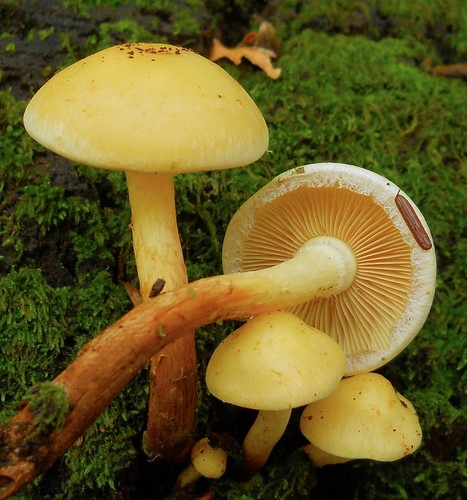
Alder Scalycap
Spore print: Clay-brown to rust-brown
Aleurodiscus oakesii
Spore print: White
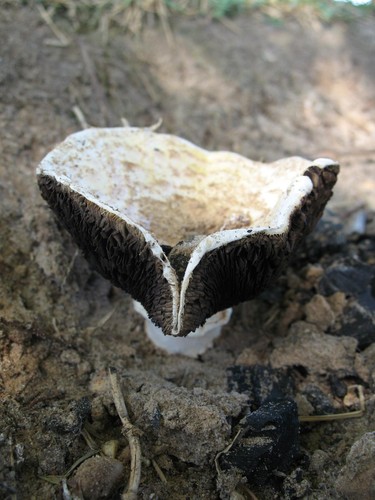
Almond Mushroom
Spore print: Dark chocolate brown
From the app
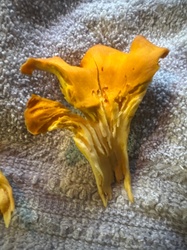
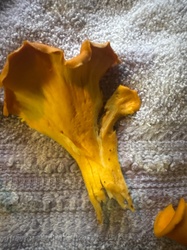
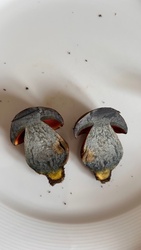
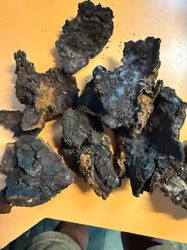
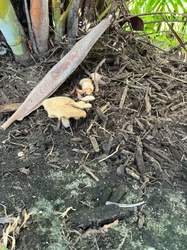
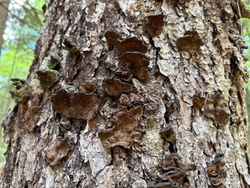
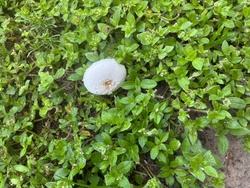
Recently identified
Finds people photographed and identified with the app, newest first.

Found something you can’t place?
One photo is all it takes. Get the whole fungus in frame — cap and stem together, in focus, where it was growing — and tilt the camera enough to catch some of the underside. That single angle carries most of what separates one species from the next.
Beyond fungi
One photo, ten fields of study
The same camera-first approach, pointed at other things worth naming — rocks, birds, snakes, stamps and more. Each has its own app and its own reference site.
 Rock IdentifierRocks, minerals & crystals
 Wood IdentifierTimber species by grain
 Plant IdentifierGarden & wild plants
 Fish IdentifierFreshwater & saltwater fish
 Bird IdentifierBackyard & wild birds
 Feather IdentifierFound feathers, matched to birds
 Bug IdentifierInsects & spiders
 Snake IdentifierSnakes by pattern & region
 Coin IdentifierCoins old & new
 Stamp IdentifierPostage stamps & philately
 Appraiser.AIAI value estimates